Why Cultural Heritage Tourism Matters More Than Ever for Group Travel
Cultural and heritage tourism is no longer a niche add-on.
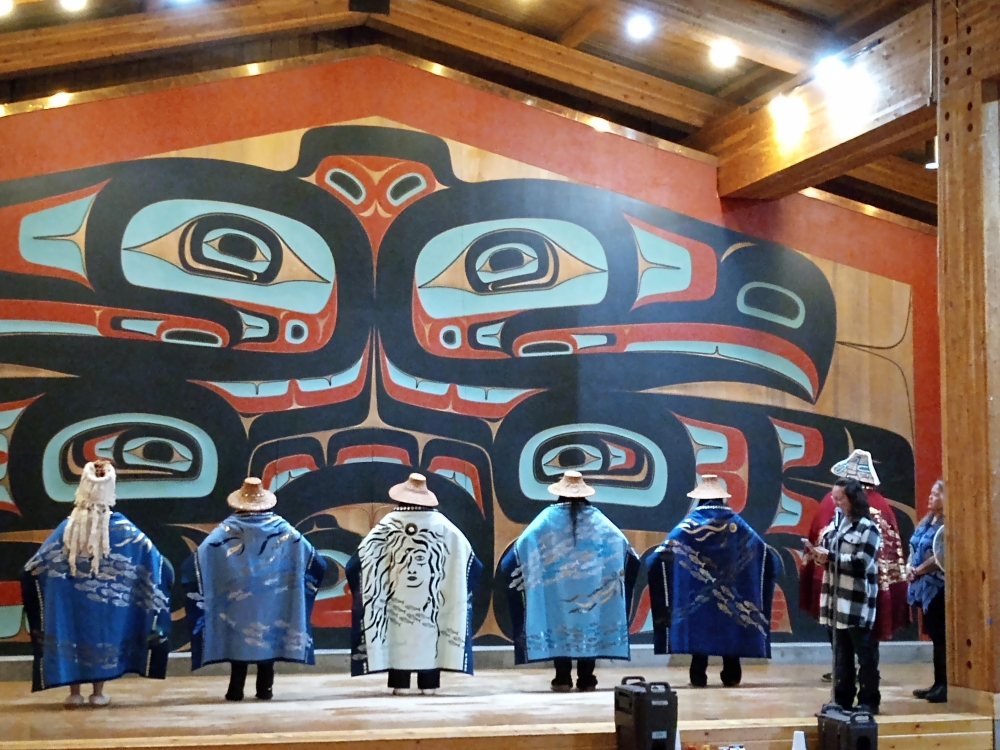
The 2026 Heritage & Cultural Tourism Conference in Sitka, Alaska, made one thing plain: Cultural and heritage tourism is no longer a niche add-on. It is becoming one of the clearest paths to stronger group travel products, better local partnerships, and more meaningful visitor experiences. This is the primary reason the American Bus Association chose to return as a Gold-level sponsor for the conference.
That shift showed up throughout this year’s conference. The event was built around presentations, workshops, tours, and training focused on the long-term development of cultural and heritage tourism. The message was practical, not theoretical. If destinations and operators want to stay relevant, they need to build experiences that are authentic, community-led, and ready for the market.
One of the strongest ideas to emerge from the conference was that visitor expectations have changed. Travelers are looking for more than a stop on the itinerary and a photo on the phone. They want meaning. They want context. They want to understand the place they are visiting and hear its story from the people who know it best. Richard Peterson, President & CEO of the US Cultural & Heritage Marketing Council and this year’s keynote, presented a “Tourism 3.0” framing that put it well: the market is moving away from passive sightseeing and toward deeper connection, credible community voice, and shared benefit. For group tour planners, that matters. It means the old model of simply “including a cultural site” is not enough. The better question is whether the experience is designed to feel real, respectful, and memorable.
That is where the second big takeaway comes in. Authenticity alone does not make a tour product successful. It still has to be visitor-ready.

This may be the most useful lesson from HCTC for the bus and group travel industry. Cultural experiences cannot live only as good ideas, community hopes, or one-off local events. They need structure. They need timing, pricing, packaging, and clear storytelling. They need to be easy for an operator to understand and easy for a group to book. Peterson stressed that cultural tourism products must be future-ready, clear to the visitor, and capable of supporting sustainable local enterprise. In plain English, if it is not bookable, it is not scalable.
For operators, that creates a real opening.
Group travel companies are well-positioned to help turn high-value cultural assets into strong visitor experiences. They already know how to build itineraries, manage timing, move people, and package a day so it works. But the conference also made clear that this work has to be done with communities, not just around them. The strongest products will come from long-term partnerships in which local leaders shape the story, define the boundaries, and share in both revenue and recognition.
That is not just the ethical approach. It is also the smart business approach.
When cultural tourism is built in partnership with the community, the result is usually better for everyone. Visitors get something they cannot replicate with a brochure, an app, or a generic stop. Communities gain a platform to share living culture on their own terms. Operators get stronger differentiation in a crowded market. And the industry as a whole becomes less dependent on interchangeable experiences that could be anywhere.
Last year’s ABA reflection on HCTC focused on storytelling, empowerment, and authentic partnership. This year’s conference pushed that conversation further into product development. The mood remained values-driven, but there was greater emphasis on execution. How do you make an experience bookable? How do you build clarity without flattening complexity? How do you create an itinerary that respects culture and still works for groups? Those are the right questions, and they are questions our industry is built to answer when we do the work well.
For ABA members, the takeaway is straightforward. Cultural and heritage tourism is not a side conversation. It is a growth conversation.
The travelers are already telling us what they want. Communities are increasingly ready to engage when the approach is respectful. Conferences like HCTC are showing what practical development can look like. The next step is for operators, destinations, and suppliers to treat these experiences with the seriousness they deserve.
That means investing time in relationship-building. It means asking better questions before adding a cultural stop to a tour. It means supporting training, local capacity, and co-created product development. And it means recognizing that some of the most compelling future group experiences may come from places and stories the industry has not fully supported in the past.
Cultural heritage tourism does not need more lip service. It needs better partnerships, better packaging, and better follow-through.
That work is already underway. The opportunity now is to meet it.
Photo (top): Attendees were the first to see a public showing of the Herring Protectors’ traditional dance. Herring Protectors is a grassroots movement led by Indigenous women. [Photo courtesy Ben H. Rome]