If You Didn’t Attend ABA Marketplace This Year, Here’s What You Missed
A look back at ABA's premier event through the eyes of an operator

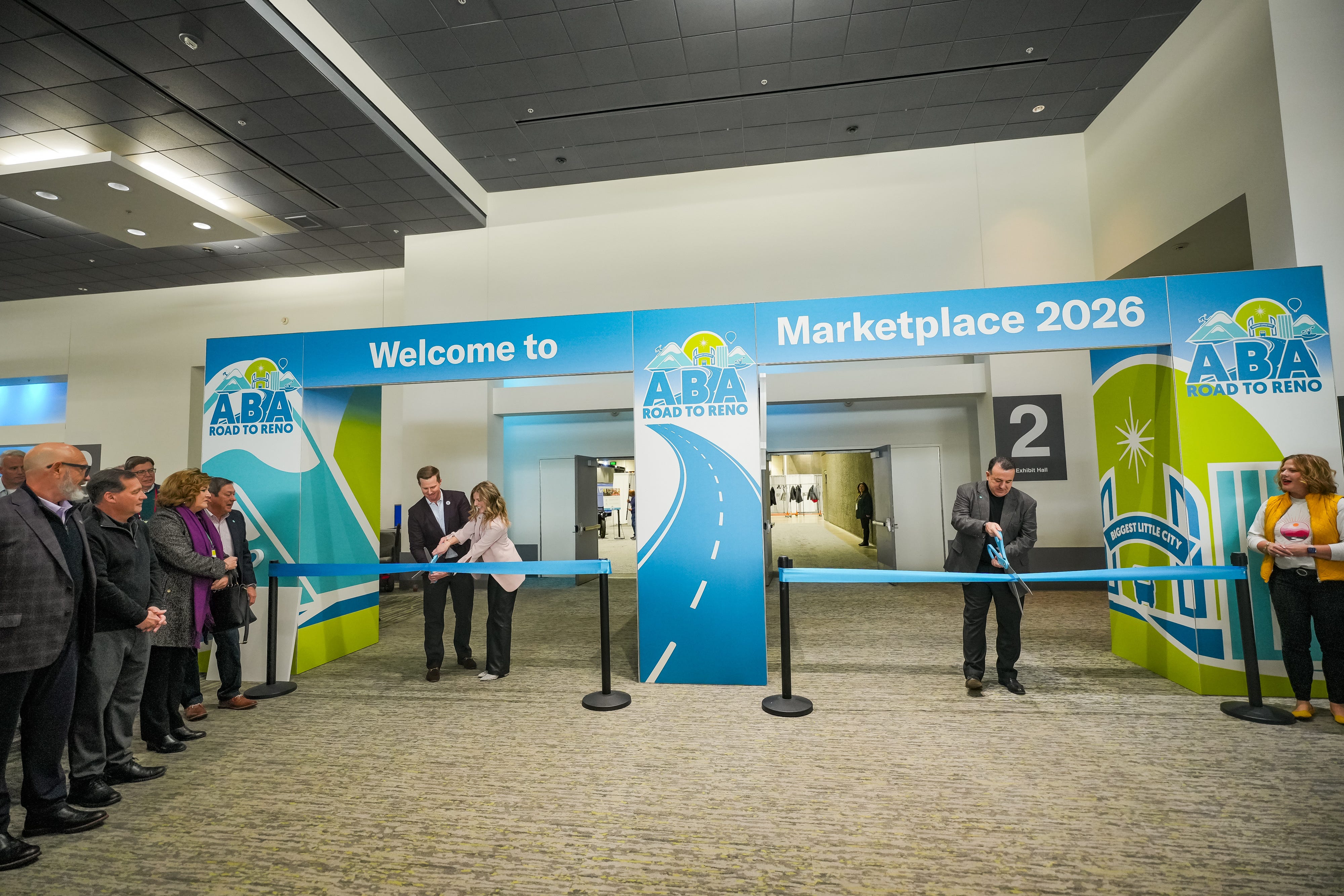
The ABA Marketplace was held in January 2026 in Reno, Nevada.
Next year, it moves to February 2027 in Calgary.
Dates and locations change.
The value doesn’t.
Every operator participates in the tour and travel ecosystem—whether they operate tours or simply deliver them.
If you didn’t attend ABA Marketplace this year, here’s what you missed—through the lens of an operator, not a program guide.

You Missed Seeing the Industry—All in One Place
ABA Marketplace brings together one of the most comprehensive cross-sections of the ground transportation and group travel ecosystem each year.
Over the course of four days, the exhibit hall and surrounding programming bring together motorcoach and vehicle providers, technology and training partners, safety and compliance resources, tour operators, attractions, dining partners, and CVBs.
Access is useful.
Context is decisive.
Marketplace gives operators a rare chance to step back and see:
- Where investment is accelerating
- How service expectations are rising
- Which partnerships matter more than they used to
- How transportation fits into increasingly complex travel experiences
Even operators who don’t sell tours benefit from understanding how tours are designed and delivered—because transportation performance increasingly defines the guest experience and who earns repeat business.
That perspective often influences decisions months later, long after Marketplace ends.
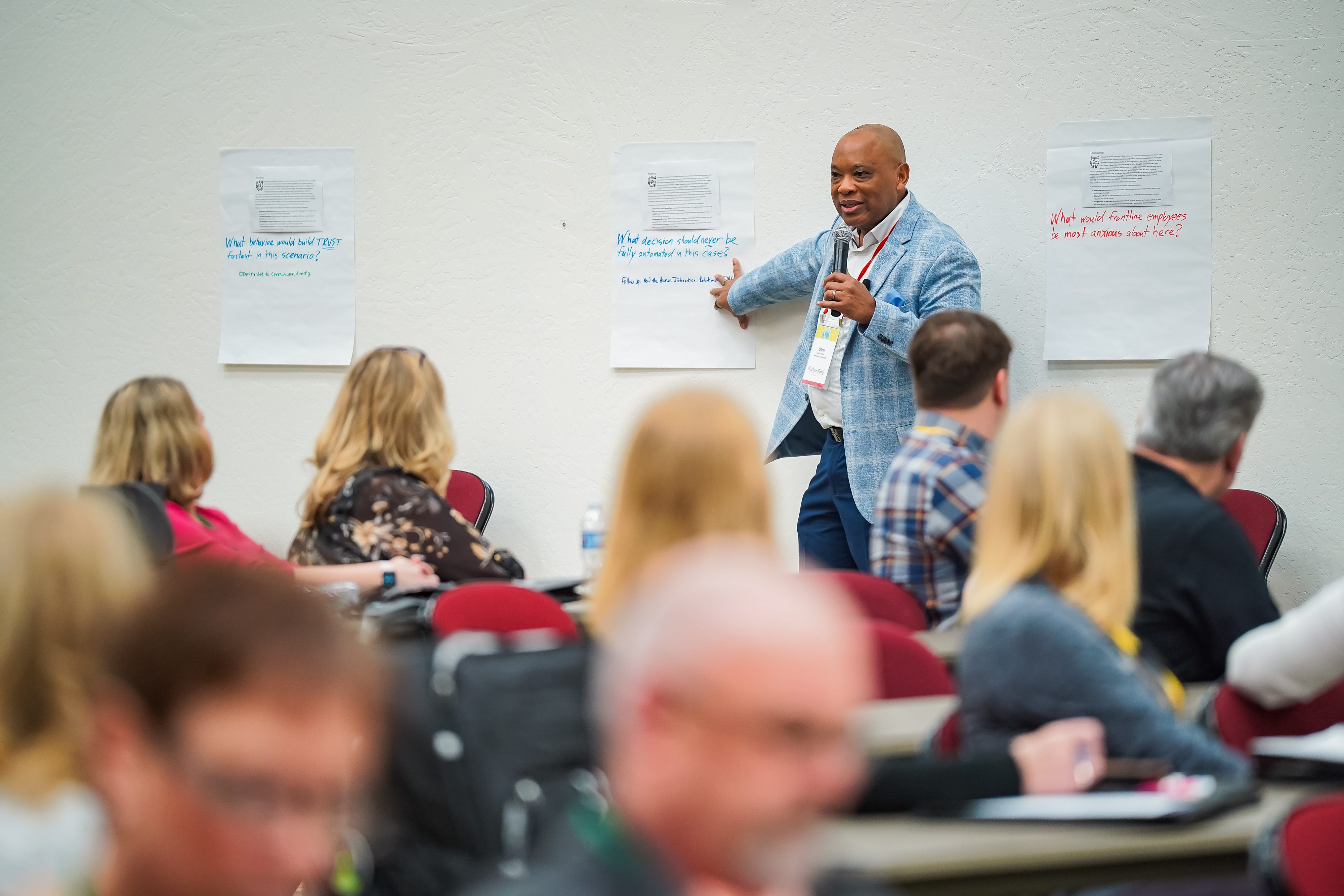
You Missed Education That Was Actually Built for Operators
A key strength of ABA Marketplace is its education, thoughtfully designed to meet operators where they are, regardless of role, experience level, or responsibilities.
This year’s program stood out for its practicality and structure.
Education Bites: Learning That Fits the Reality of the Show
The Education Bites format fits well into the flow of an operator’s Marketplace schedule.
Short, focused sessions delivered directly on the Networking Floor covered topics operators deal with every day:
- Maintenance and safety system essentials
- OEM-supported maintenance trends tied to shop realities
- Motorcoach Parking Updates in Washington, DC
- Human trafficking awareness focused on results, not slogans
This wasn’t theory.
It was operational learning you could absorb between conversations.
Tracks That Reflected the Reality of the Job
The broader education program reflected a simple truth:
You don’t get to lead just operations, or just safety, or just people. You lead all of it.
Across tracks, the themes mirrored what operators are facing right now:
- Leadership & C-Suite development focused on time management, coaching-based leadership, and practical frameworks that build depth beyond the owner or GM.
- Recruitment and retention sessions addressed workforce challenges honestly—why people leave, how to become an employer of choice, and how leadership behavior drives engagement.
- Safety, compliance, and risk education connected discipline to performance, covering Hours-of-Service nuance, fatigue management, crisis response, injury prevention, and claims control.
- Maintenance and operations sessions reinforced the link between uptime, safety outcomes, insurance performance, and customer confidence.
- Marketing and communication sessions recognized a modern reality: operators are judged not only by how they perform, but by how clearly they communicate trust and professionalism.
- Culture and DEI-related sessions treated inclusion and belonging as operational realities—tools to reduce friction, strengthen teams, and sustain performance in a multigenerational workforce.
Why This Education Matters
Skipping Marketplace doesn’t just mean missing sessions. It means missing structured leadership development time that’s difficult to create back home.
This education pays off quietly:
- fewer preventable issues
- better decisions
- stronger teams
- more consistent service
That’s the return.
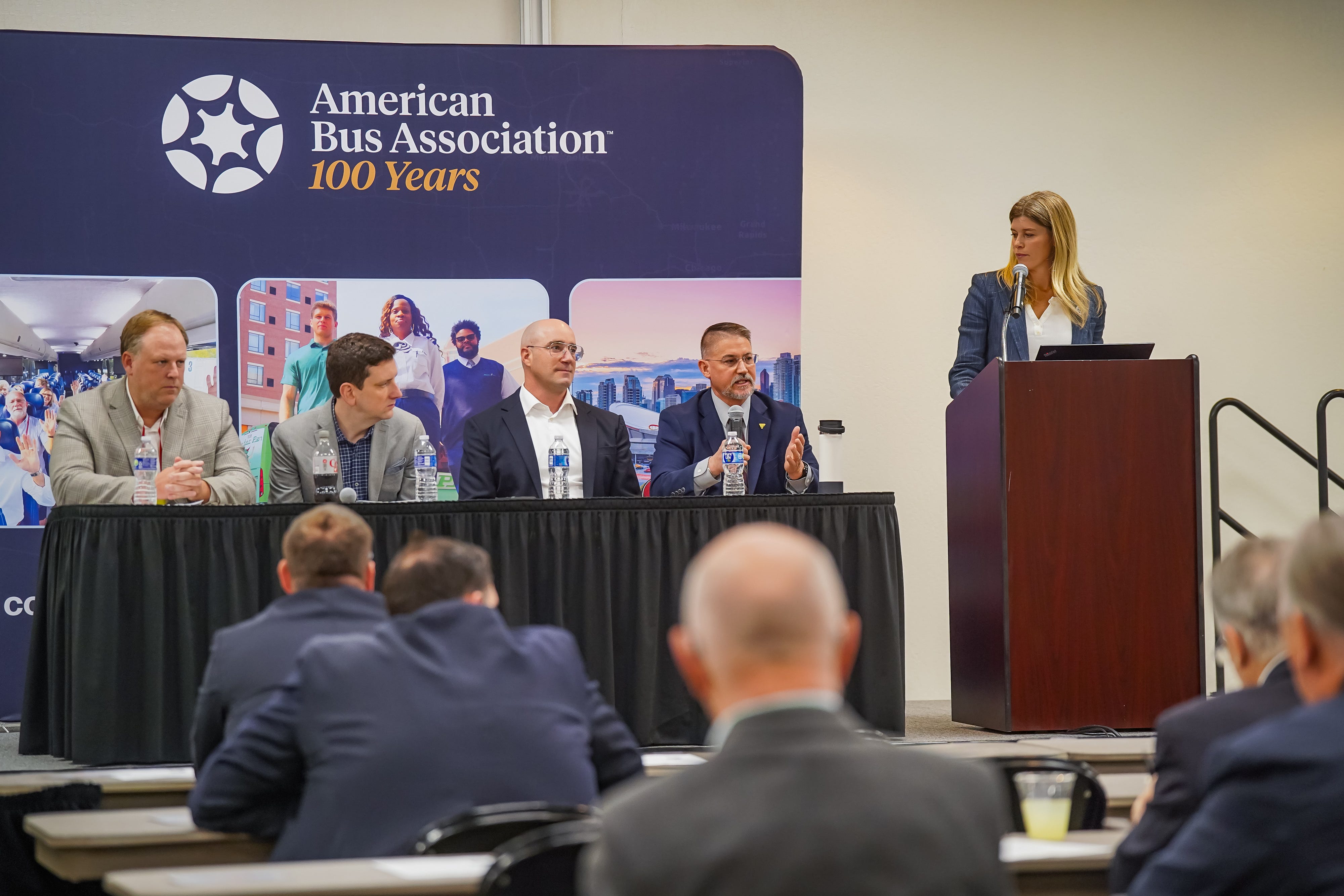
You Missed Situational Awareness on the Forces Shaping Demand
Policy conversations at ABA Marketplace aren’t political.
They’re directional.
Beyond formal education, Marketplace provides operators with space to understand the forces shaping travel demand, destination access, and long-term planning.
Discussions around tourism, infrastructure, public lands, and cross-border travel help operators see:
- Where demand may grow or contract
- How access to destinations could change
- Why infrastructure investment affects routing, timing, and reliability
- How public-sector decisions ripple into private-sector group travel
This isn’t about expertise.
It’s about awareness—and avoiding blind spots.
Education tells you what’s happening.
Situational awareness helps you decide what to do about it.
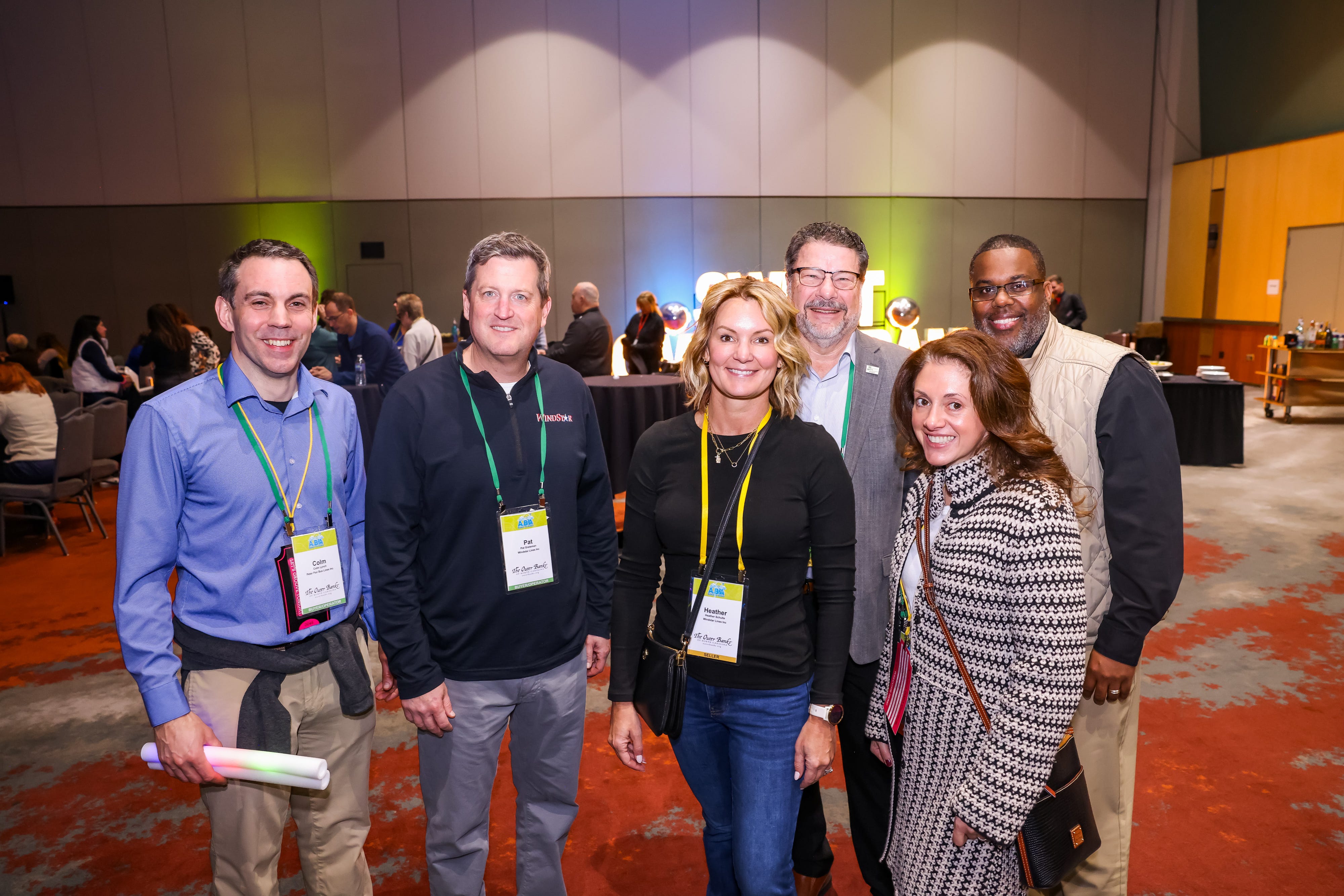
You Missed Networking With Purpose
Networking at ABA Marketplace works because it happens inside a shared context.
Operator receptions, networking floor events, and leadership gatherings bring together owners, GMs, suppliers, and advocates who already understand the realities of the business.
These conversations aren’t transactional.
They’re comparative, reflective, and often validating.
Many operators leave Marketplace with added clarity, confidence, and peer insight—sometimes just as valuable as the vendor conversations themselves.

You Missed Peer-Level Leadership Conversations
Marketplace councils and leadership gatherings provide something many operators don’t have internally: a true peer forum.
These conversations shape how leaders think about culture, workforce, service standards, and the future of the industry—long after the event ends.
Strong companies are built by strong leaders.
Marketplace reinforces that connection.

You Missed a Milestone Moment for the Industry
This year’s ABA Marketplace coincided with the American Bus Association’s 100th anniversary, adding a meaningful moment of reflection to the event.
That centennial wasn’t just about looking back. It created space to recognize the people and organizations that continue to move the industry forward.
Marketplace includes the presentation of industry awards that highlight leadership, service, safety, and long-term commitment. These moments matter—not as accolades for their own sake, but as reminders of what excellence looks like in practice.
Seeing peers recognized reinforces an important truth: this industry is built on people who lead responsibly, invest in their teams, and contribute well beyond their own operations.
For many attendees, that recognition—shared in the presence of industry peers—was one of the most meaningful aspects of the week.

You Missed the Experiential Side of the Industry
Yes—Marketplace includes fun. And that’s intentional.
Sightseeing tours, showcases, themed all-delegate events, operator breakfasts, and destination-hosted receptions reinforce a simple truth:
This industry exists to create experiences.
Shared experiences build relationships faster than business cards ever will. They remind operators why reliability, service, and guest experience matter—especially when margins are tight.
The Takeaway
ABA Marketplace isn’t about buying, booking, or checking a box.
It’s about stepping far enough away from daily execution to:
- See your business clearly again
- Strengthen leadership thinking
- Understand where you fit in the broader industry
- Anticipate where the market is heading
If you didn’t attend this year, that’s what you missed.
And with ABA Marketplace heading to Calgary in February 2027, now is the time to decide whether you want to read about it afterward—or experience it firsthand.


Brian Dickson is the owner of Bus Business Consultants and author of Ground Transportation Insights on Substack. Drawing on leadership roles in motorcoach operations and Disney’s Guest Transportation, he helps operators improve performance, culture, and growth—Bus Business Consultants: Driving Performance, Culture, & Growth in Ground Transportation.
This article was originally published on February 9, 2026 at Ground Transportation Insights. The views expressed are those of the author alone and do not necessarily reflect the position of the American Bus Association.