EPA Eases DEF Requirements, Promising Greater Reliability for Motorcoach Industry
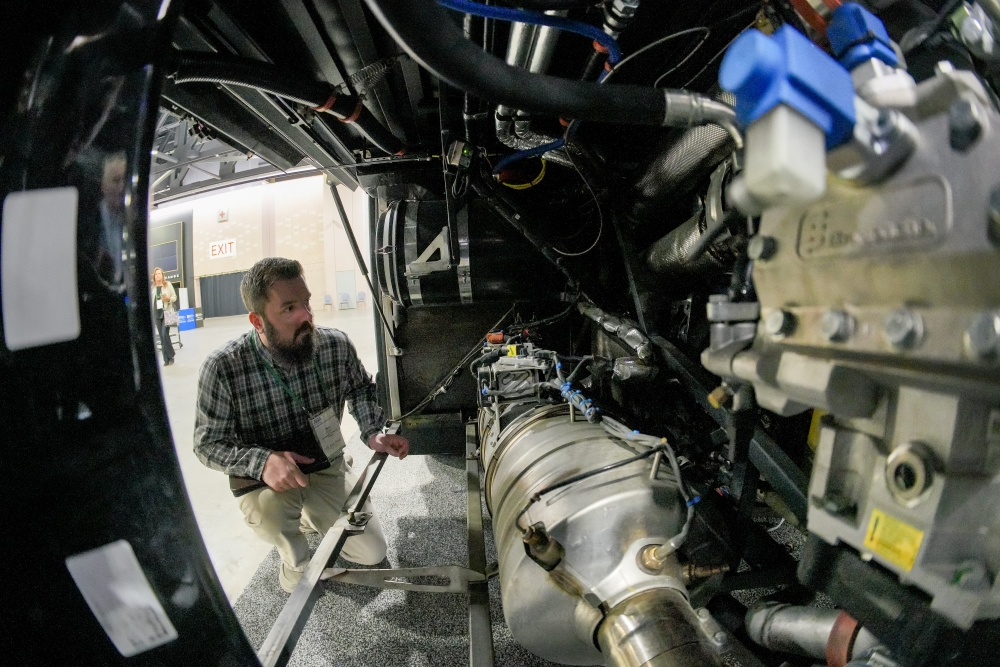
The U.S. Environmental Protection Agency (EPA) has issued new guidance to reduce engine derates and improve reliability for diesel-powered vehicles, including motorcoaches. The agency’s action removes the requirement for traditional Diesel Exhaust Fluid (DEF) sensors and outlines a path for manufacturers to adopt more reliable emissions monitoring systems.
The move comes in response to widespread concerns among operators that selective catalytic reduction (SCR) systems can trigger sudden speed and power losses—sometimes reducing vehicles to as little as 5 miles per hour.
A Longstanding Industry Challenge
Since 2010, motorcoaches and other diesel vehicles have relied on DEF-based SCR systems to meet federal nitrogen oxide (NOx) emissions standards. While effective from an environmental standpoint, these systems have also introduced operational challenges.
When DEF runs low—or when a sensor fails—vehicles can automatically enter “derate” mode, sharply limiting speed or rendering the coach inoperable. For motorcoach operators, these events can disrupt trips, strand passengers, and create costly and time-consuming maintenance issues.
Although derates were originally designed to ensure emissions compliance, they have increasingly been viewed as overly sensitive and prone to failure.
What the New Guidance Does
The EPA’s updated guidance provides manufacturers with greater flexibility in how emissions compliance is achieved:
- Eliminates the need for traditional DEF quality sensors, which have been a frequent point of failure
- Allows the use of NOx-based monitoring systems, which measure actual emissions output rather than DEF fluid quality
- Encourages manufacturers to develop software updates to reduce unnecessary derates on both new and existing vehicles
- Clarifies that these updates and system modifications are not considered tampering under the Clean Air Act
The agency also provided a framework for how manufacturers can certify these alternative systems under existing regulations.
Direct Benefits for Motorcoach Operators
For the motorcoach industry, the guidance is expected to deliver meaningful operational improvements:
- Fewer Roadside Failures: Reducing reliance on faulty sensors should decrease unexpected derates and in-route breakdowns.
- Improved Service Reliability: Coaches are less likely to experience sudden speed limitations, helping operators stay on schedule and avoid passenger disruptions.
- Reduced Maintenance Burden: Fewer sensor-related faults can translate into lower diagnostic, repair, and parts replacement costs.
- Greater Flexibility in Repairs and Upgrades: Operators and maintenance providers can adopt approved software updates and system improvements without regulatory risk.
Continued Emissions Compliance
The EPA has emphasized that emissions standards remain fully in place. Motorcoaches must still meet NOx limits, but the agency is shifting toward performance-based compliance, focusing on actual emissions rather than indirect indicators like DEF sensor readings.
What Motorcoach Operators Should Do Now
While implementation will ultimately depend on manufacturers, motorcoach operators can begin preparing for these changes:
- Engage with OEMs and service providers to understand when software updates or system retrofits will become available
- Evaluate fleet maintenance trends to identify recurring DEF-related issues that may be addressed under the new guidance
- Plan for upgrades that transition vehicles to NOx-based monitoring or improved SCR system logic
- Train maintenance teams on updated compliance approaches and allowable modifications
Taking early steps can help fleets quickly realize the reliability and cost benefits as solutions enter the market.
Looking Ahead: Rulemaking on the Horizon
The EPA has indicated that this guidance is not the final step. The agency is currently collecting data from major engine manufacturers on DEF system failures and has signaled that it plans to initiate formal rulemaking to codify these changes.
This future rulemaking is expected to provide greater regulatory certainty and potentially expand relief measures for diesel operators.
Industry Outlook
For motorcoach operators, the announcement represents a significant shift toward more practical and reliable emissions compliance. By addressing one of the most persistent sources of operational disruption—DEF-related derates—the EPA’s guidance could improve uptime, reduce costs, and enhance the passenger experience.
As manufacturers roll out updates and the EPA advances toward formal rulemaking, the industry is poised for a transition that better aligns environmental goals with real-world operating demands.