Connected Journeys: The Power of Buses
Celebrating the impact of buses on North American life
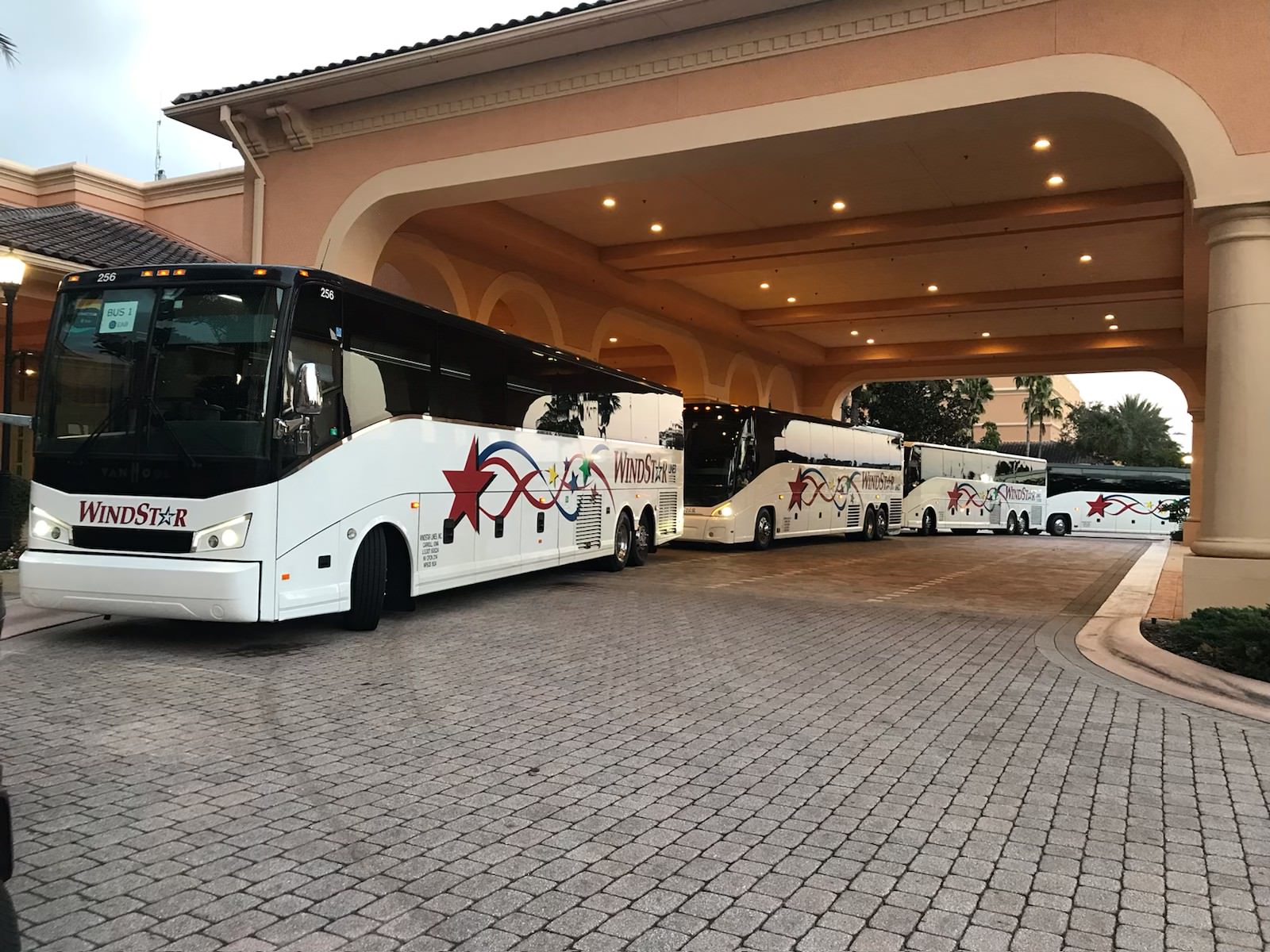
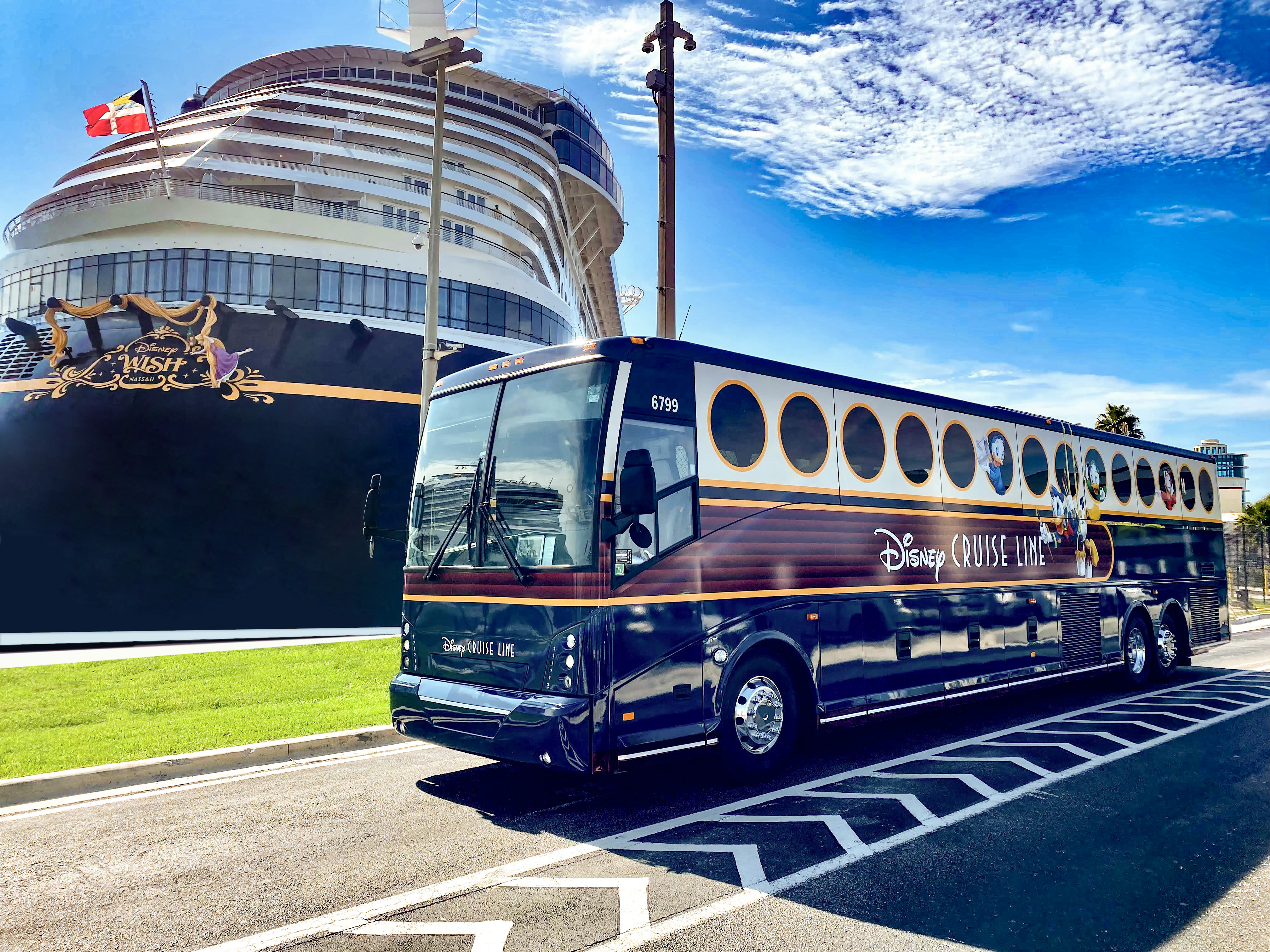
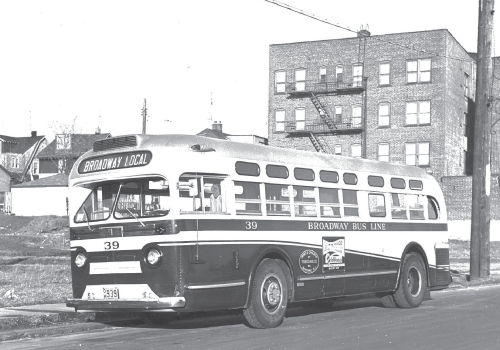
The ABA Centennial display featured a wide range of material celebrating not just the bus industry and its progress from 1926 through 2026, but also the impact the bus industry has had on North American life. In 1977, the ABA welcomed the group tour and travel sector, widening its reach and impact, and intertwining these industries into something that continues to foster change in how we move through life.
We’ve provided the text from the back half of our Centennial display, originally shown at ABA Marketplace in Reno, here for you to enjoy, along with select images from the photo archives submitted to us by more than 40 organizational members.
Journeys That Connect: The Power of Group Travel by Motorcoach
From church outings to student trips, motorcoach group travel has long been part of American life. But beyond the ride, these journeys create community, boost local economies, and offer access to experiences that stick with us forever.
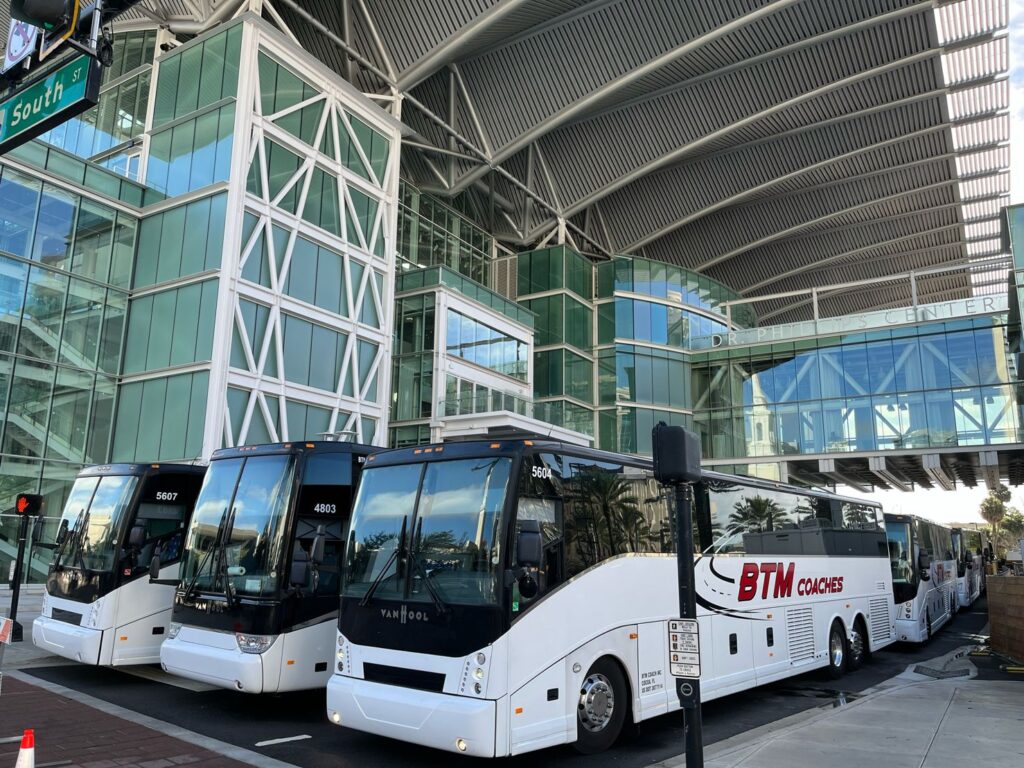
Motorcoaches reach nearly 5,000 U.S. communities—far more than airlines or passenger rail. In rural areas, where public transit is limited or nonexistent, buses are essential for school, work, healthcare, or simply staying connected. With five times more terminals than airports, motorcoaches also help bridge gaps between trains, planes, and cruise ships.
When a bus rolls into town, it brings more than passengers—it brings business. One group tour can inject $5,000–$12,000 into a local economy in just a day, helping small cafés, family-run museums, and Main Street shops stay afloat. In 2024, group motorcoach travel generated nearly $90 billion in total economic impact and supported over half a million jobs—from drivers to diner waitstaff.
It’s also one of the most inclusive, sustainable ways to travel. Nearly 40% of intercity riders come from households earning less than $20,000. Today’s coaches are ADA-accessible, comfortable, and increasingly green—taking up to 55 cars off the road with lower emissions per passenger than planes or cars.
Motorcoach travel is more than a ride. It’s shared laughter, local discovery, environmental responsibility—and a vital thread stitching together communities across America.
The Charter Revolution: How Deregulation Transformed Bus Travel
After World War II, a quiet travel revolution rolled across American highways. As rail service declined and air travel remained out of reach for many, charter buses offered something radically different: flexible, group-centered travel that met people where they were—literally.
Unlike scheduled routes, charter coaches followed people’s plans. Church groups, students, factory workers, sports teams, and tourists could book a bus to go when and where they needed—no layovers, no terminals, no limits. It was freedom on wheels.
By the 1960s and ’70s, charter travel had taken off. Families headed to theme parks, civil rights groups mobilized for marches, and school trips became rites of passage. The motorcoach was more than transportation—it was part of the experience.
Behind it all were small, often family-run companies providing customized service with a personal touch. Deregulation in the 1980s further opened the market, allowing thousands of new charter operators to flourish. Today, over 85% of U.S. motorcoach companies operate on a charter model.
Charters support over 885,000 jobs and generate nearly $158 billion annually. They connect rural areas, support schools and seniors, and respond in times of crisis. Modern coaches offer Wi-Fi, accessibility, and low-emission engines—but their heart remains unchanged: people traveling together, on their own terms.
That’s the charter revolution. And it’s still rolling.
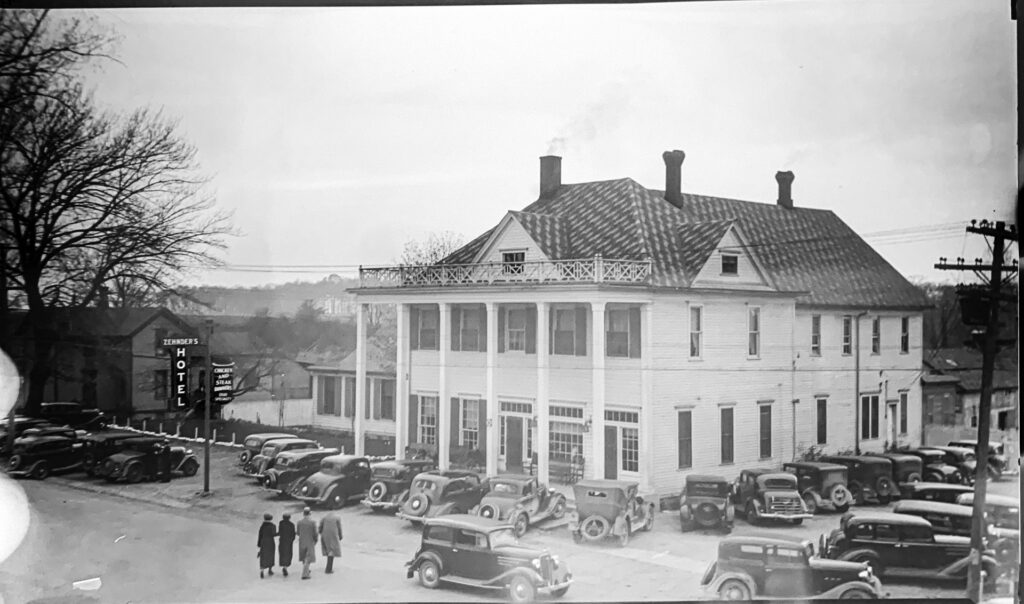
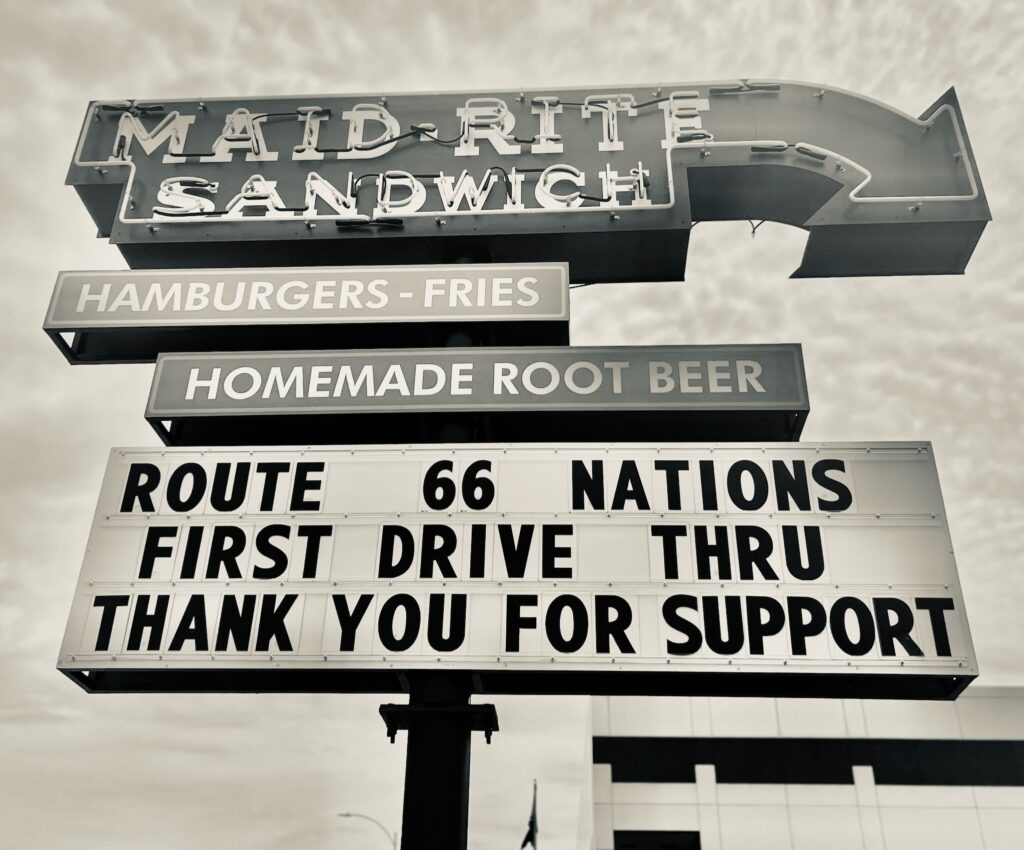
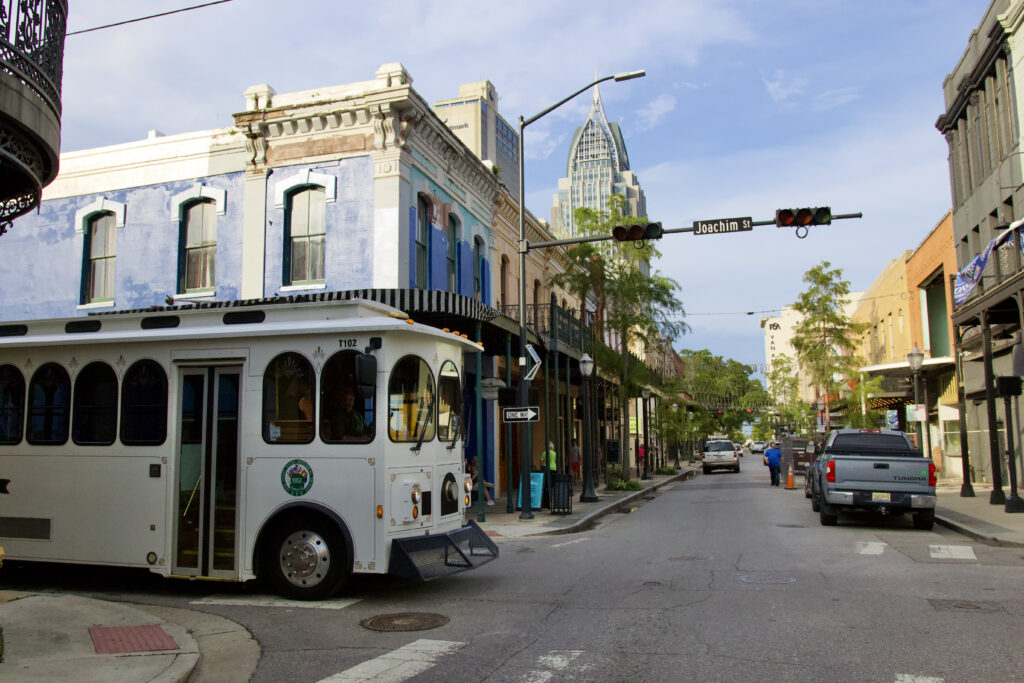
Rolling to Freedom: Buses and the Civil Rights Movement
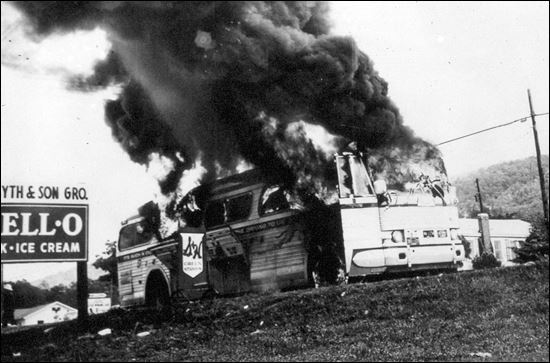
Buses have always been more than just transportation—they’ve been vessels of change. During the Civil Rights Movement, motorcoaches quietly carried the people, the protests, and the purpose. From Rosa Parks’s 1955 stand on a city bus in Montgomery to the 1961 Freedom Riders who defied segregation laws aboard Greyhound and Trailways, buses became battlegrounds for justice.
Despite violence and resistance, riders persisted—forcing federal action and integrating bus terminals nationwide. In 1963, over 2,000 coaches carried thousands to the March on Washington, turning travel into an act of solidarity.
Through the 1965 Selma marches, church charters, and Black-owned bus companies stepped up when others wouldn’t, often under threat. Drivers played a quiet yet heroic role—navigating danger, safeguarding riders, and becoming part of the movement’s fabric.
As laws changed, so did the industry. Motorcoaches opened new paths to education, opportunity, and community for Black Americans. By the 1970s and ’80s, buses symbolized progress—a preferred choice for schools, churches, and HBCUs seeking safe, dignified travel.
Today, that legacy lives on. Buses still connect underserved areas, with nearly 40% of riders from low-income households. They’re also leading on sustainability—removing cars from the road and lowering emissions per passenger mile.
Through it all, one truth remains: motorcoaches help people move—not just physically, but forward. They’ve carried hope, courage, and community for decades. And they still do.
Motorcoaches in Crisis: Ready When It Matters Most
When disaster strikes, motorcoaches often step in as quiet heroes—moving people when every second counts. Unlike planes or trains, buses can go almost anywhere, making them vital during emergencies.
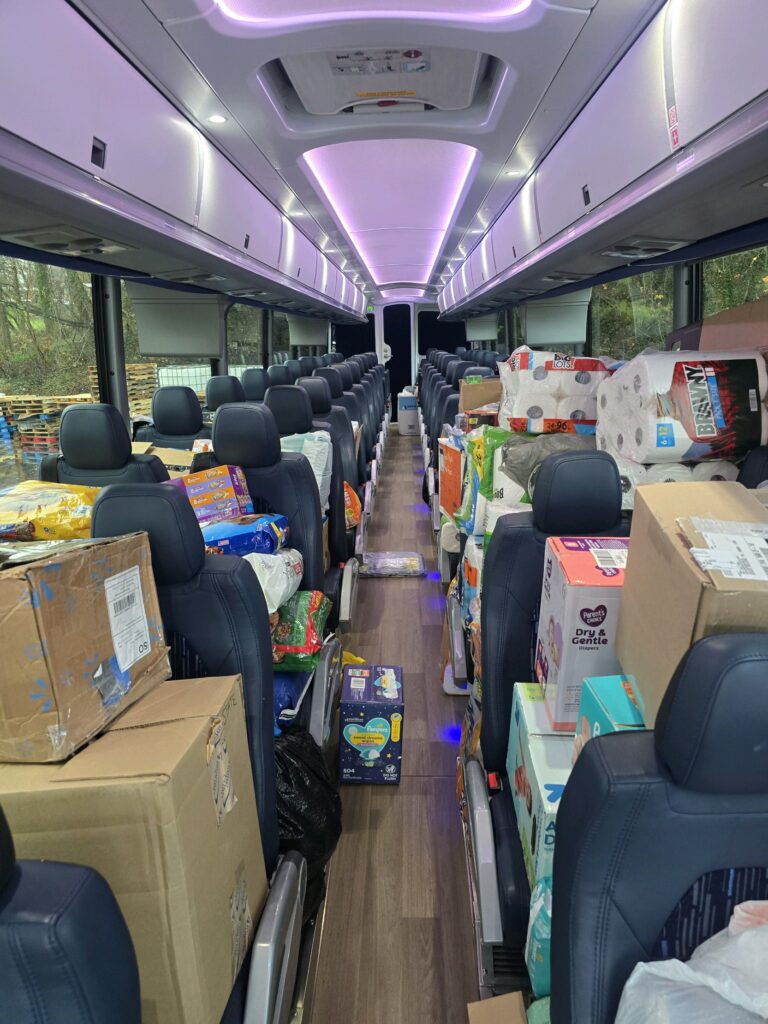
After 9/11, buses evacuated thousands from Lower Manhattan. During Hurricane Katrina, over 1,100 coaches helped move stranded residents, many sent by small companies with no guarantee of payment. From wildfires and floods to tornadoes and snowstorms, buses have been there—reaching shelters, transporting first responders, even serving as mobile command centers.
In the COVID-19 pandemic, while 80% of business vanished, motorcoaches still rolled—carrying medical staff, delivering supplies, and acting as mobile clinics. Yet most of the industry received no regular government support, surviving only after intense lobbying secured funding through the CERTS Act.
Despite limited resources, the industry has shown unmatched adaptability. Today, buses are included in emergency plans, refugee resettlements, and disaster logistics. Some are equipped with Wi-Fi, power, and medical kits—ready for anything.
Motorcoaches aren’t backup—they’re essential. As climate change increases disaster risks, investing in this fleet means faster evacuations, safer communities, and better outcomes. When the next crisis hits, odds are the way out will be on a bus.
Women Behind the Wheel: Driving Change in the Motorcoach Industry
For decades, the motorcoach industry was dominated by men. But that’s changing—fast. Women now lead at every level, from the driver’s seat to the C-suite, transforming not just who works in the industry, but how it works.
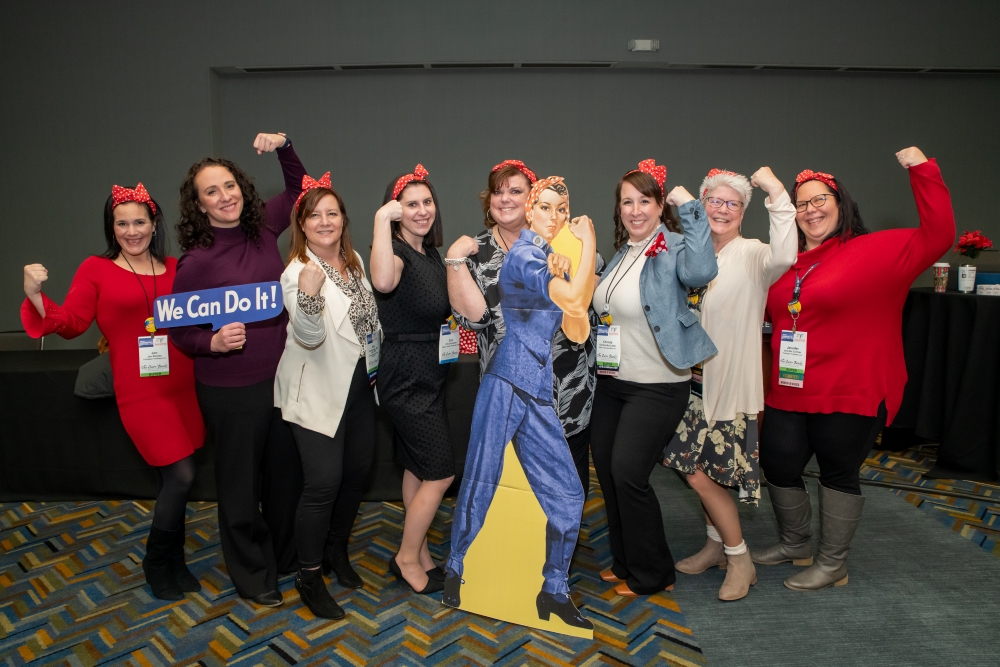
A key shift came in 2011 with the launch of the Women in Buses Council (WIB) by the American Bus Association. What began as a networking group quickly grew into a vibrant platform for mentorship, leadership training, and professional development. Women from all corners of the industry—drivers, safety directors, dispatchers, and executives—found community and opportunity.
Their presence has reshaped expectations. Today, it’s common to see women driving 45-foot coaches through cities or running multimillion-dollar operations. And they’re inspiring others—young passengers now see female drivers as role models.
WIB’s success has sparked broader inclusion efforts, such as the African American Council and the Next Era Council for emerging leaders and innovation. Recruiting women has also helped address driver shortages, with companies improving facilities, flexibility, and safety for all staff.
Women aren’t just joining the motorcoach industry—they’re redefining it. With growing visibility, influence, and leadership, they’re helping steer the future of travel—confidently, skillfully, and together.
Read: Celebrating 100 Years On the Road
Read more about the ABA Centennial in the ABA News Center
- Connected Journeys: The Power of Buses
- Celebrating 100 Years On the Road
- Big City Energy with a Hometown Heart
- American Bus Association Partners with The Great American Road Trip to Champion Group Travel and Celebrate America’s 250th Anniversary
- The Stories and Wins That Defined 2025 for Bus and Group Travel