ABA Urges Congress to Boost Security, Access, and Funding in FY2027
A look at ABA's 2027 funding priorities to strengthen the motorcoach industry and expand transportation access nationwide
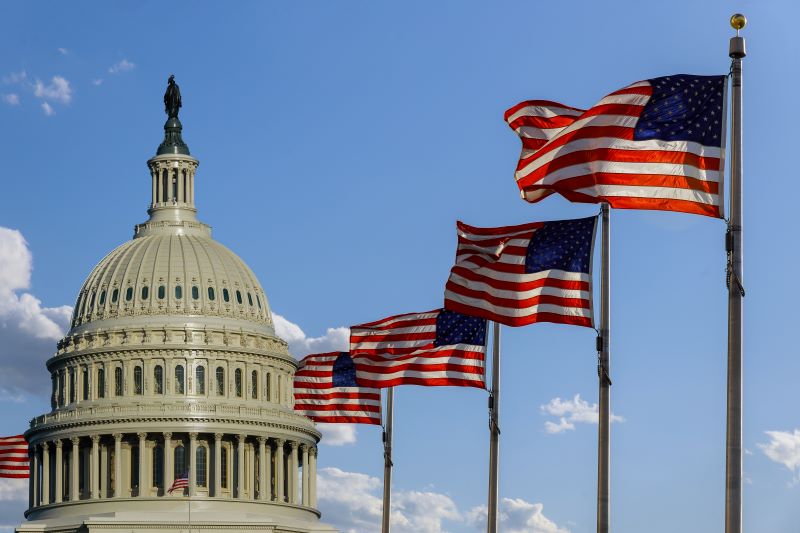
While Congress has passed all but the Department of Homeland Security (DHS) appropriations bill for FY2026, work is already underway on FY2027 spending. The ABA is using that process to push a set of funding and policy priorities aimed at strengthening the motorcoach industry and expanding transportation access nationwide.
In a letter to key appropriators, ABA points to the industry’s scale—moving millions of passengers each year and generating $158 billion in economic impact while supporting more than 890,000 jobs — to urge lawmakers to back targeted investments and policy fixes that improve safety, reduce barriers, and support communities that rely on group travel.
Key FY2027 Requests
- $5 million for motorcoach security grants (TSA/DHS)
- More than double current funding to expand access to security tools like onboard cameras, driver barriers, and real-time monitoring systems.
- Fair access to transit and rail facilities (FTA/THUD)
- Direction to ensure private motorcoach operators can use federally funded stations without excessive fees or restrictions.
- Equal treatment in congestion programs (FHWA/THUD)
- Ensure motorcoaches qualify for benefits like managed lanes, HOV access, and toll relief alongside public transit.
- Consistent vehicle idling standards (EPA)
- Encourage a nationwide baseline, including recognition of a 15-minute idling threshold, to balance environmental goals with safety and operational needs.
- Tariff relief on motorcoaches (Commerce/CJS)
- Exclude U.S.-made components from tariff calculations to lower costs and support domestic supply chains.
- $750,000 for a new economic data initiative (BEA/CJS)
- Create a “Bus and Group Travel Satellite Account” to better measure the industry’s economic impact.
- Full funding for Economic Development Administration programs (CJS)
- Support travel-dependent communities with authorized FY2027 levels:
- Public Works: $220 million
- Economic Adjustment Assistance: $85 million
- Planning: $110 million
- Training/Research/Technical Assistance: $35 million
- Support travel-dependent communities with authorized FY2027 levels:
Each of these priorities is designed to improve safety, strengthen connections between transportation modes, and support local economies—especially in rural and underserved areas where motorcoaches are often the only intercity option.