
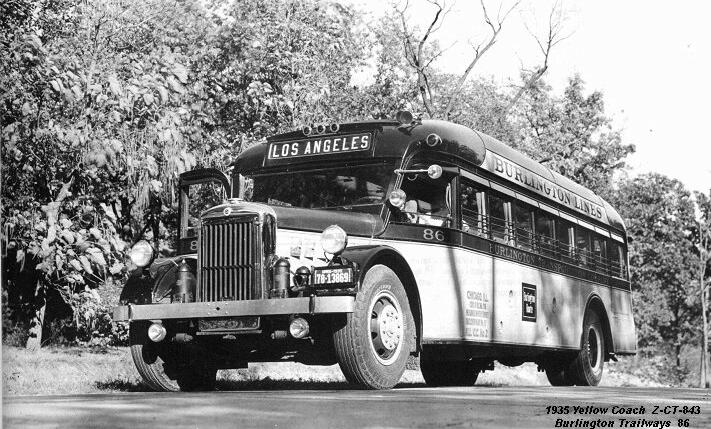
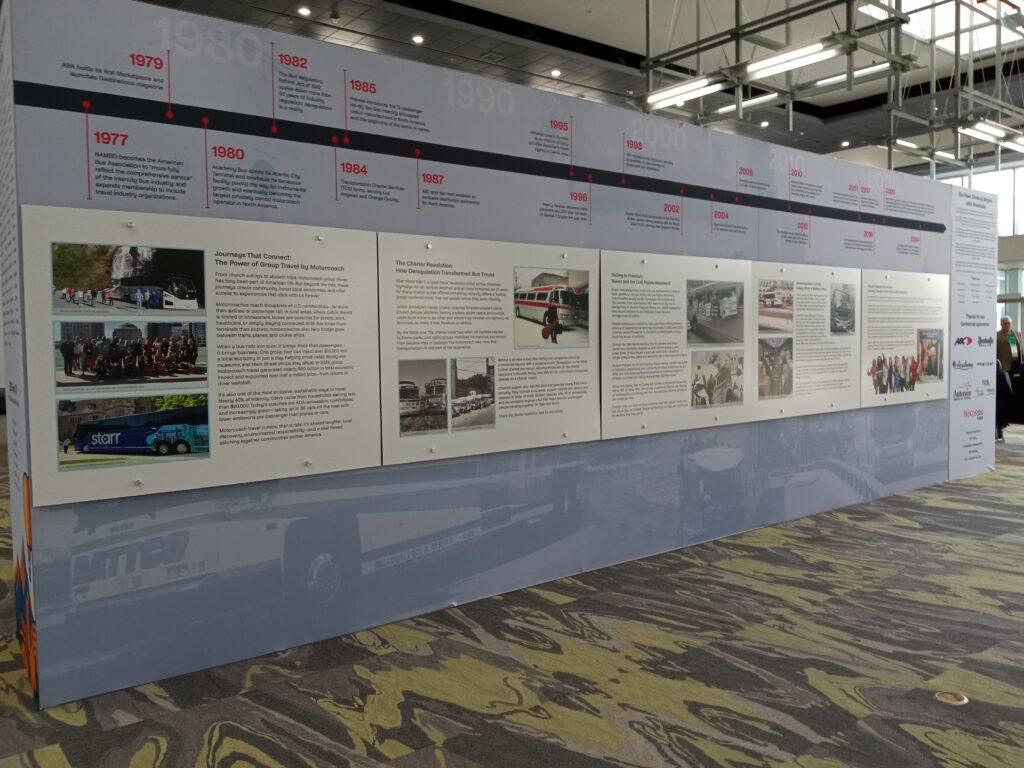
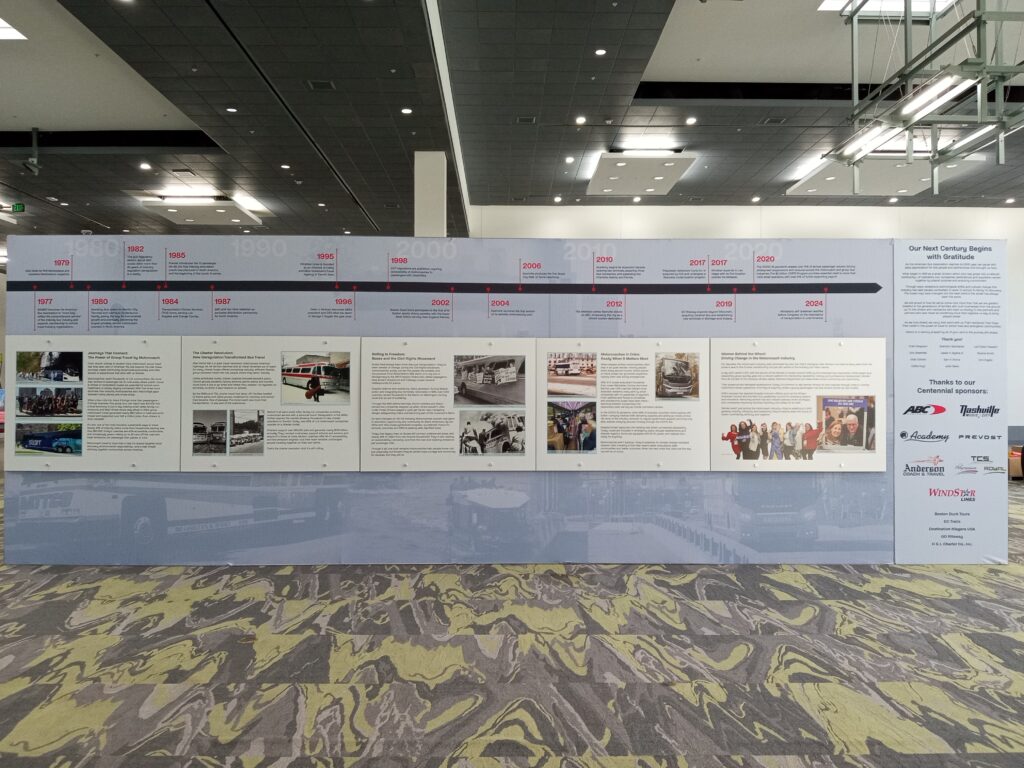
If you were at Marketplace this year in Reno, you no doubt saw the massive 50′ timeline story of the Association on full display in the Reno Sparks Convention Center lobby. Planted right in the main entryway, it was the central focal point for all visitors before they reached the registration booth.
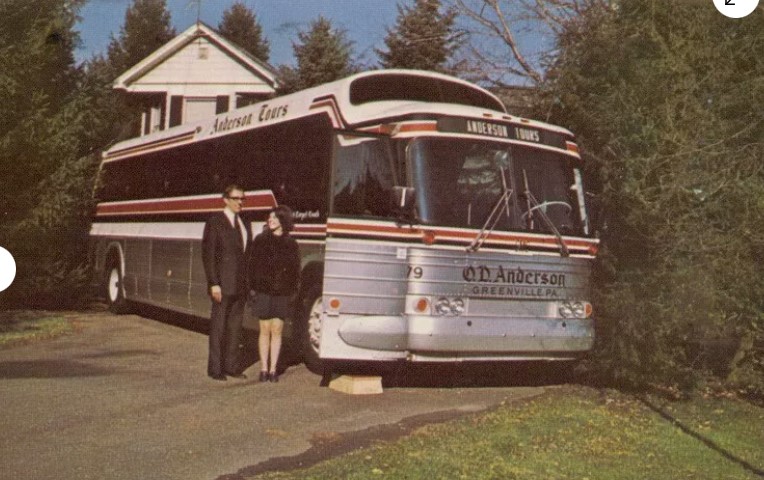
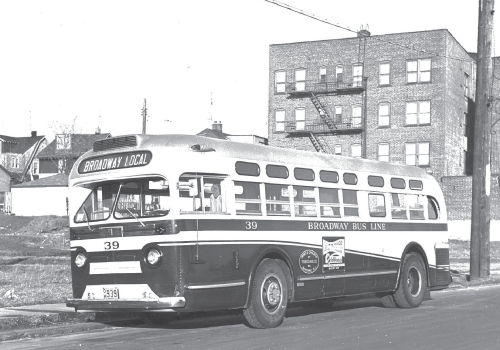
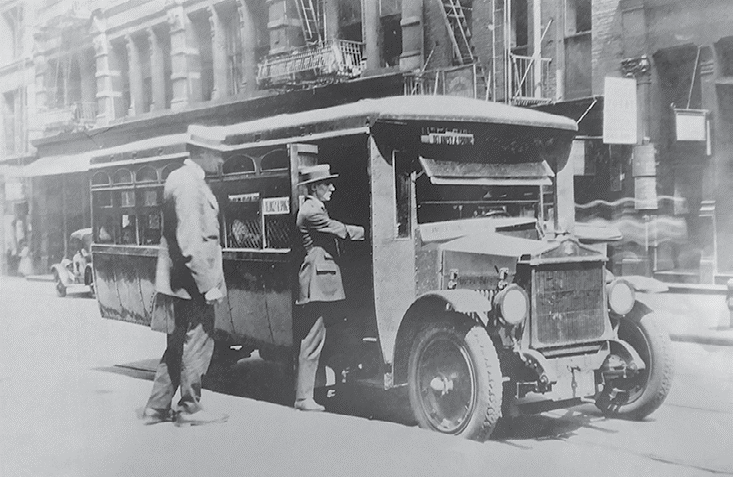
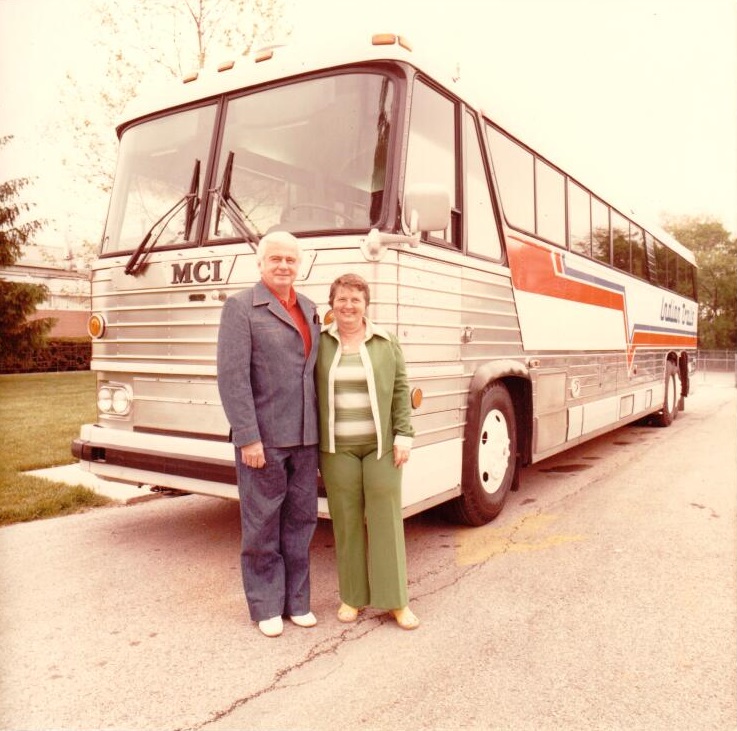
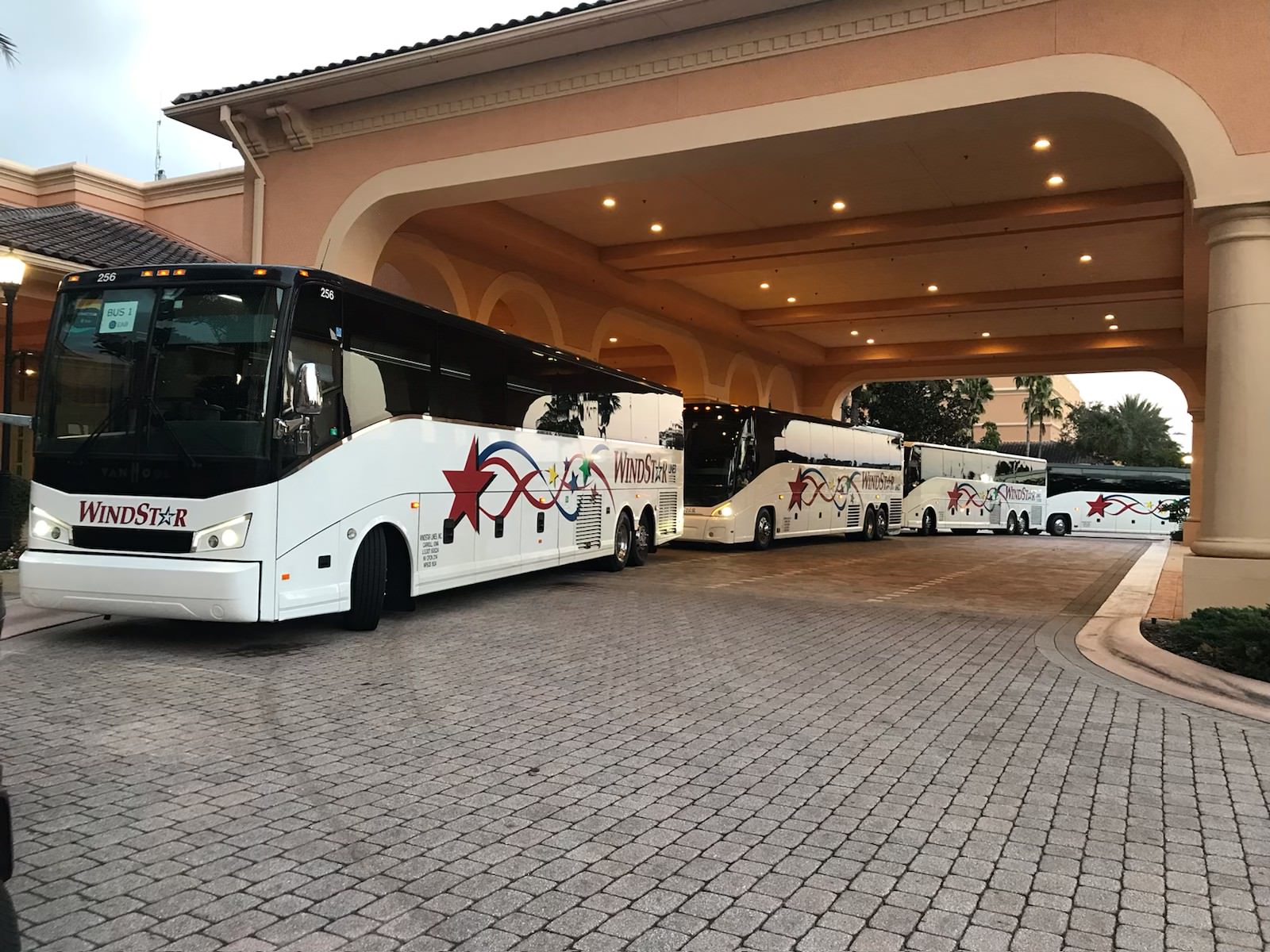
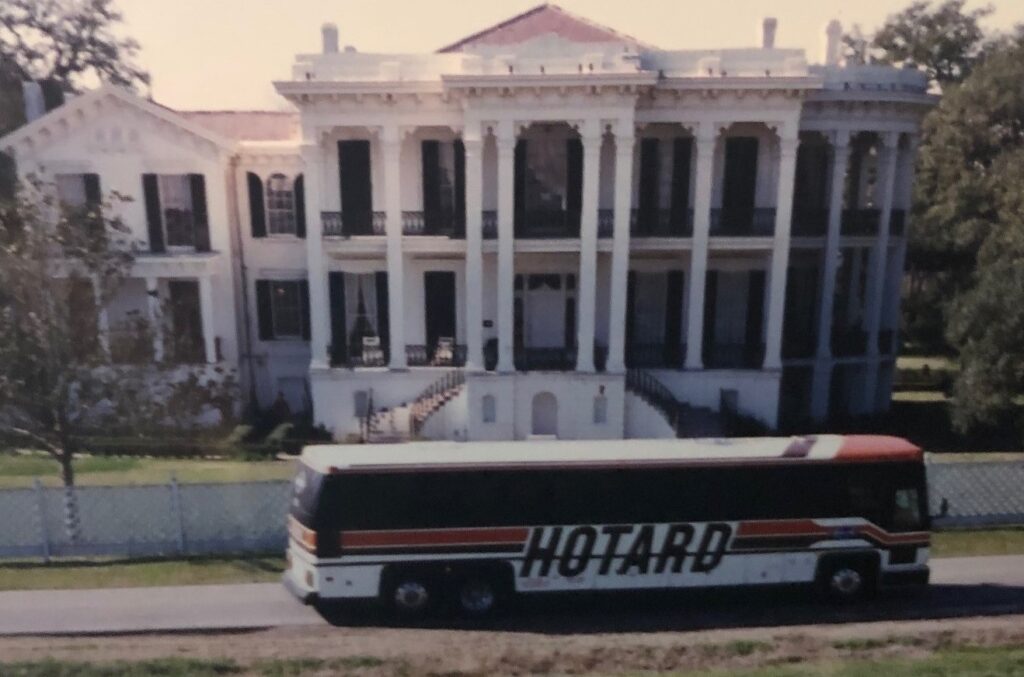
Decorating the 10′ high wall were images collected from more than 40 organizational members of the Association. From 1930s-era buses to a NASCAR stock car sporting the new ABA branding, it told the story of ABA through a special timeline, story text, and images. One side contained a brief decade-by-decade snapshot of the industry and the Association. The reverse side told five separate stories, all key components on how buses have played a significant part of the fabric of American communities.
For those unable to spend time enjoying it, we are publishing the wall content here, along with a few of the images contributed to the project. An accompanying 40-minute silent video reel and timeline played on LED monitors inside the exhibit hall; we’ll be reformatting that and publishing it this spring.
Many thanks to all of the ABA Staff, the Board of Directors, member organizations, and individuals who contributed to this celebrational monument to the resiliency and steadfastness of our history. Thank you.
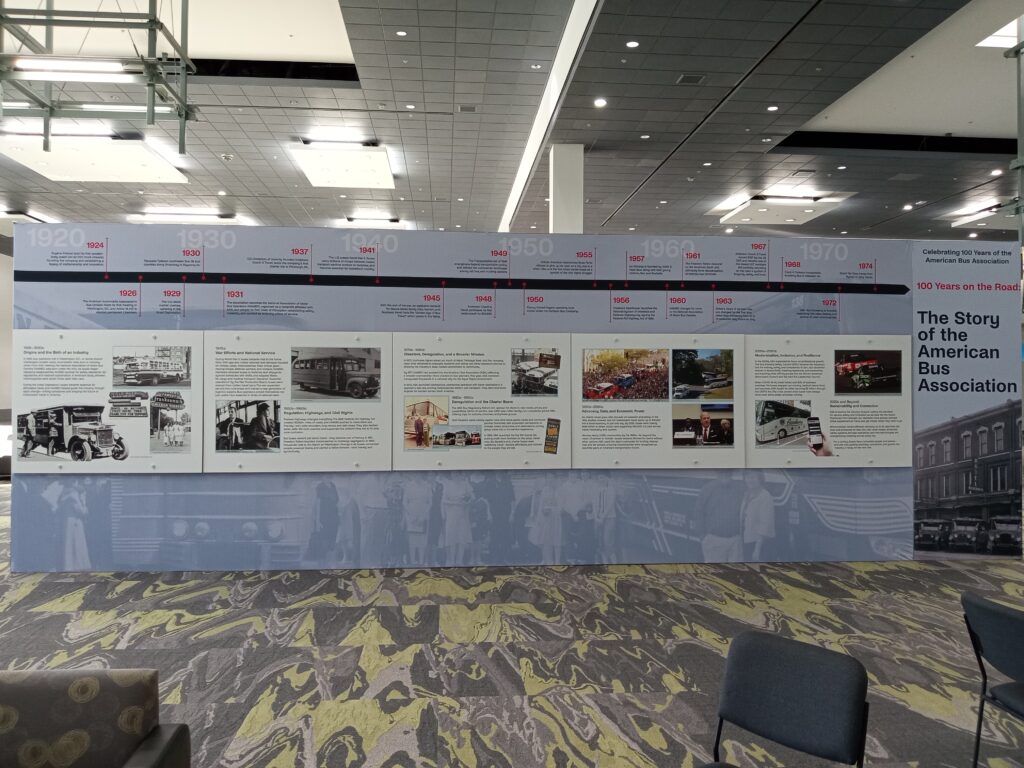
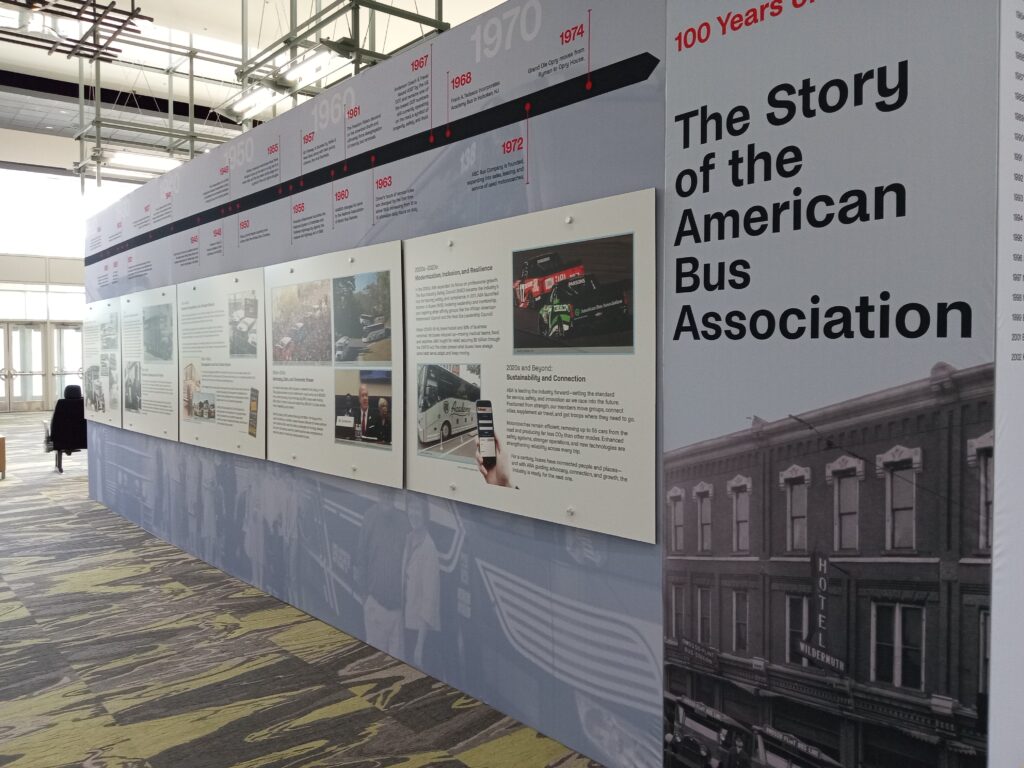
100 Years on the Road: The Story of the American Bus Association
1926–1930s: Origins and the Birth of an Industry
In 1926, bus operators met in Washington, D.C., to tackle shared challenges—unsafe roads, inconsistent laws, and no industry voice. From that meeting, the National Association of Motor Bus Owners (NAMBO) was born under the AAA. As buses began replacing stagecoaches, NAMBO pushed for safety standards, fair regulations, and national coordination. A landmark study showed motorcoaches were seven times safer than cars.
During the Great Depression, buses became essential for affordable travel, and NAMBO helped guide the industry through rapid change—uniting companies and shaping the future of motorcoach travel in America.
1940s: War Efforts and National Service
During World War II, buses became vital to the home front. With gas and rubber rationed and railroads focused on military cargo, motorcoaches filled critical gaps—moving troops, defense workers, and civilians. NAMBO members rerouted buses to factories and shipyards, synced schedules with shifts, and adapted fleets for cargo and medical transport. Declared “essential operations” by the War Production Board, buses were exempt from civilian travel bans. The war expanded service into rural areas and trained a new generation of logistics experts. Bus operators proved themselves not just useful—but essential in times of national need.
1950s–1960s: Regulation, Highways, and Civil Rights
Postwar highways changed everything. The 1956 Federal-Aid Highway Act created 40,000+ miles of roads, and NAMBO pushed to make them bus-friendly—with wide shoulders, long ramps, and safe stops. They also backed wider, safer 102-inch coaches and supported the Uniform Time Act to fix time zone confusion.
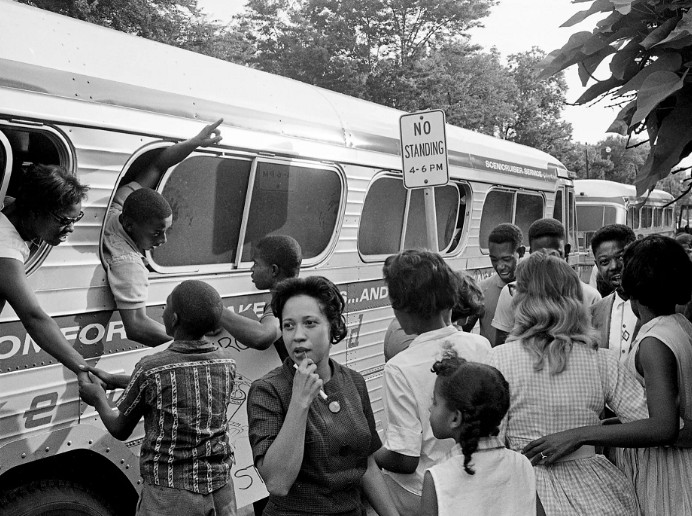
But buses weren’t just about travel—they became part of history. In 1961, Freedom Riders boarded motorcoaches to challenge segregation. In 1963, thousands rode to the March on Washington. Through it all, buses connected people, powered towns, and carried a nation forward—both literally and symbolically.
1970s–1980s: Disasters, Deregulation, and a Broader Mission
In 1972, Hurricane Agnes wiped out much of Martz Trailways’ fleet—but the company used what remained to evacuate residents and deliver aid. Other operators pitched in, showing the industry’s deep-rooted commitment to community.
By 1977, NAMBO had evolved into the American Bus Association (ABA), reflecting a broader membership—from charters to tour planners. That year, ABA members transported thousands to a national rally for the Equal Rights Amendment.
In 1979, ABA launched Marketplace, connecting operators with travel destinations. It sparked a new era, proving motorcoaches weren’t just transport—they were economic engines for tourism across North America.
1980s: Deregulation and the Charter Boom
The 1982 Bus Regulatory Reform Act opened the doors to new routes, prices, and possibilities. Within 18 months, over 1,800 new—often family-run—companies joined ABA, offering trips for schools, churches, and private groups.
With freedom came variety: casino runs, wine tours, sports travel, and commuter service flourished. ABA expanded membership to include hotels, attractions, and destinations, turning group travel into a full-service experience.
In 1985, ABA launched the Top 100 Events list, putting small-town festivals on the group travel map. By decade’s end, charter buses were redefining travel—flexible, affordable, and tailored to the people they served.
1990s–2000s: Advocacy, Data, and Economic Power
As charter travel grew, ABA focused on research and policy. In the ’90s, studies showed one full motorcoach could pump up to $12,000 into a local economy in just one day. By 2025, buses were fueling $41.4 billion in direct output and supporting 2.1 million U.S. jobs across travel, hospitality, and tourism.
Serving nearly 5,000 communities—far beyond the reach of airlines or Amtrak—buses became lifelines for towns without other options. ABA used this data to advocate for funding, cleaner fuel, and fair access, ensuring motorcoaches were recognized as essential parts of America’s transportation future.
2000s–2020s: Modernization, Inclusion, and Resilience
In the 2000s, ABA expanded its focus on professional growth. The Bus Industry Safety Council (BISC) became the industry’s hub for training, safety, and compliance. In 2011, ABA launched Women in Buses (WIB), fostering leadership and mentorship, and inspiring other affinity groups like the African American Motorcoach Council and NextEra for emerging leaders.
When COVID-19 hit, travel halted, and 80% of the business vanished. Yet buses stepped up—moving medical teams, food, and vaccines. ABA fought for relief, securing $2 billion through the CERTS Act. The crisis proved what buses have always done best: serve, adapt, and keep moving.
2020s and Beyond: Sustainability and Connection
As ABA celebrates 100 years, the motorcoach remains one of the greenest ways to travel—removing up to 55 cars from the road and producing far less CO₂ than cars or planes. Over 65% of new buses meet top EPA standards, and most fleets now include ADA-accessible vehicles.
Electric coaches, AI scheduling, and cleaner fuels are reshaping the road ahead. ABA’s 2,500+ members fuel a $159 billion travel economy.
From civil rights marches to campus loops, buses have connected people and places for a century—and with innovation and purpose, they’re ready to lead the next one.
Read: Connected Journeys: The Power of Buses
Read more about the ABA Centennial in the ABA News Center
- Connected Journeys: The Power of Buses
- Celebrating 100 Years On the Road
- Big City Energy with a Hometown Heart
- American Bus Association Partners with The Great American Road Trip to Champion Group Travel and Celebrate America’s 250th Anniversary
- The Stories and Wins That Defined 2025 for Bus and Group Travel